The Challenge
Sweden's transition to VIOL 3 set a hard deadline. Moelven's previous logistics systems simply could not handle deliveries in the new standard, and with volumes still flowing through VIOL 2 during the changeover, the business needed a single system capable of managing both at once. Anything less would have meant running parallel processes and reconciling them by hand.
Stability was non-negotiable. Logistics flows feeding sawmills cannot tolerate a system that drops data or goes down mid-planning cycle, so reliability ranked alongside VIOL 3 capability as a selection criterion.
Two further problems sat underneath the compliance driver. Creating production and delivery plans was slower than it needed to be, consuming time that should have gone into acting on the plan rather than assembling it. And reporting was rigid: when a controller needed figures cut a particular way, that meant a request into the system rather than a change they could make themselves. For a team whose job is to spot deviations early, waiting on someone else's report queue is a structural disadvantage.
The Solution
Moelven selected ConiferSoft's Supply & Demand after evaluating several alternatives. The deciding factor was reporting flexibility specifically, the ability to work with the data in Power BI rather than being confined to fixed report templates.
Implementation was deliberately incremental. Rather than a single cutover, the rollout proceeded step by step with figures and functionality checked at each stage, run as a joint effort between Moelven and ConiferSoft. The support team stayed in close contact throughout: issues surfaced were discussed immediately and resolved collaboratively rather than queued.
That iterative approach mattered, because not everything landed right first time. The planning interface initially stayed too close to the previous version, and adjusting it to fit how Moelven actually plans has been an ongoing piece of work. Being open about that is part of why the project has held together, the feedback loop was built into the method, not bolted on after a failed go-live.
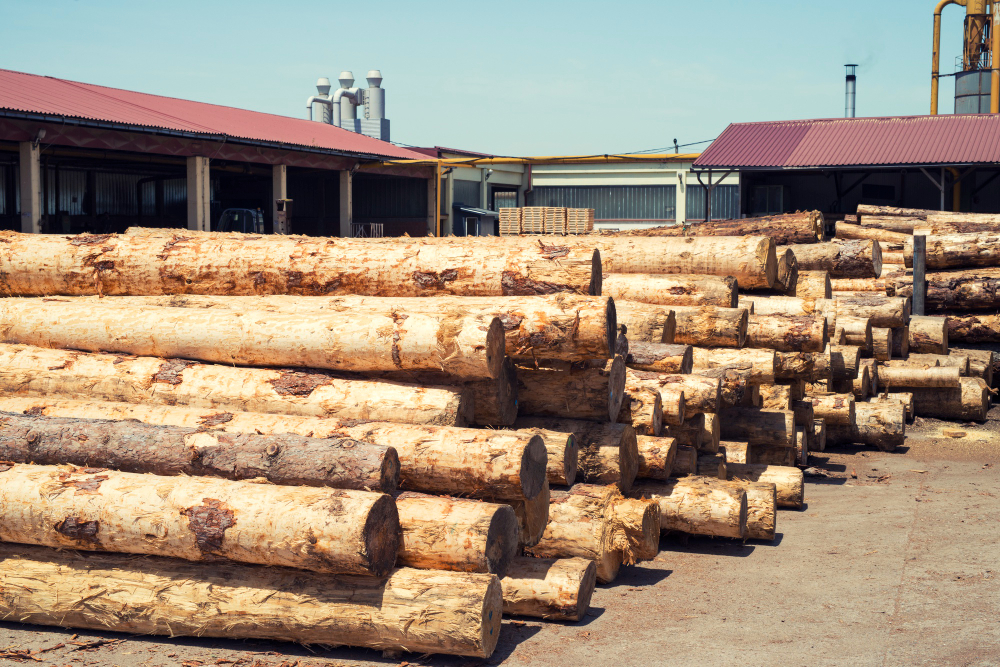
The system is now a central tool for tracking logistics flows into both Moelven's own sawmills and external industries — and for identifying deviations from plan quickly enough to act on them.
The Results
The core objective is met: VIOL 2 and VIOL 3 volumes are handled from one source, removing the reconciliation burden the transition would otherwise have created. Data stability and redundancy have both improved on the previous systems.
Day to day, the change controllers notice most is independence. All relevant data is continuously accessible, so questions can be answered when they're asked rather than after a database request comes back. Reports are designed by the users themselves and tailored to the situation, which makes follow-up faster and oversight sharper. Plan input has been simplified and data maintenance is more efficient, reducing administrative work and giving the underlying information better structure.
Moelven is candid that the picture isn't finished. Parts of plan input are still in development, some figures are still to come, and the team's own position is that a full evaluation comes once core functions are running stably, with any further features weighed against the value they genuinely add. What is already clear to them is that the flexibility represents a significant step up from the systems it replaced.