4 min read
Demand Planning: How to Balance Wood Supply and Mill Demand Without Overbuilding Inventory
ConiferSoft Communication Department | September 22, 2026
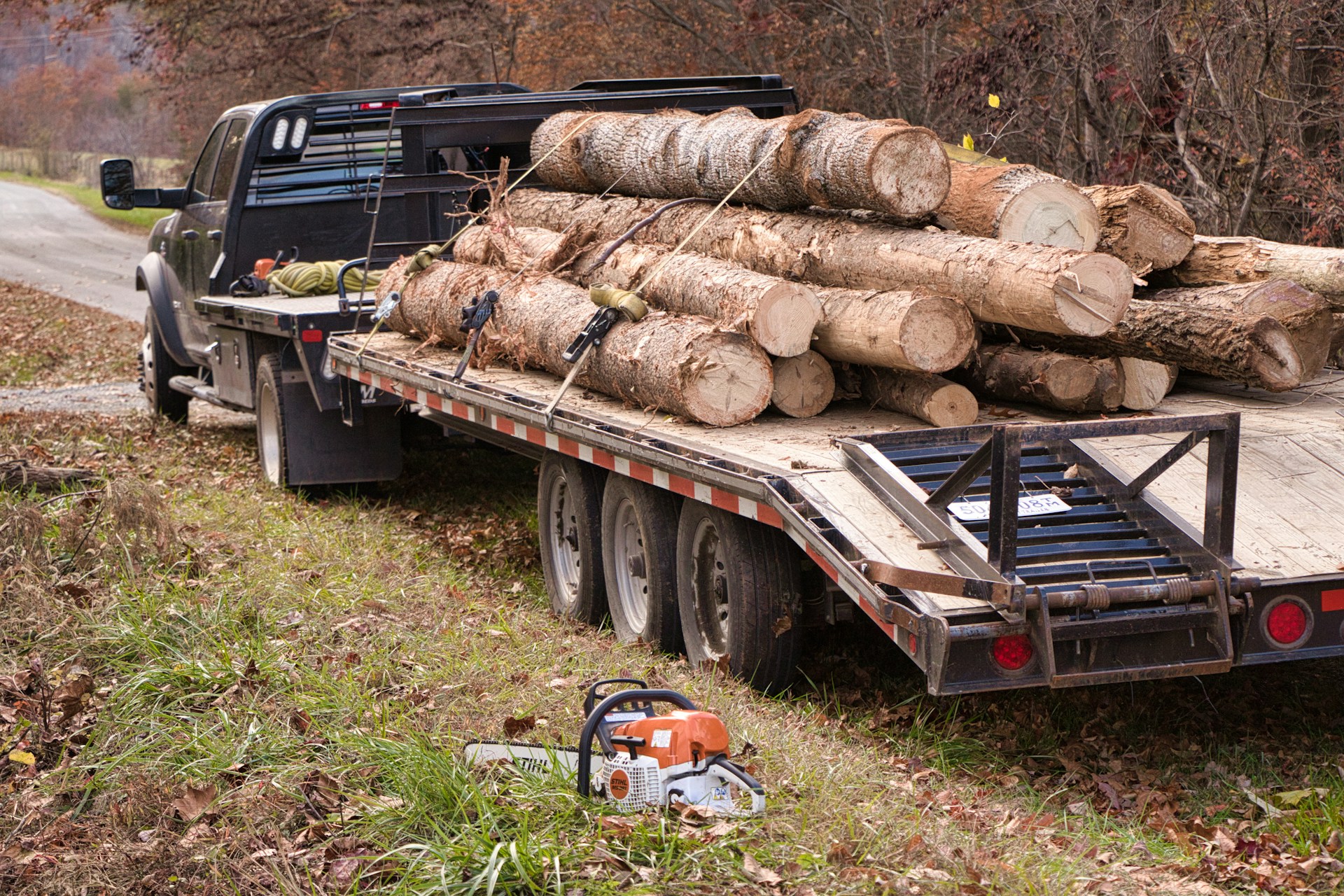
Every forest supply chain lives between two fears: running short of wood and idling a mill, or piling up so much raw material that cash, quality, and yard space all suffer. Balancing wood supply against mill demand is one of the forest industry's hardest problems, and the default response, "buy a little extra to be safe," quietly erodes margin.
The good news: overbuilding inventory is not the price of reliability. With disciplined demand planning and deliberately sized buffers, you can keep mills fed and inventory lean at the same time. This guide sets out a practical demand planning framework, covering forecasting, buffers, and the planning loop, for forest raw material.
Why "just buy more" is the most expensive strategy
Extra raw material feels safe, but it carries real costs. Wood degrades: value dries out or rots in the yard. Capital sits idle in stock that is not producing. Storage, handling, and rehandling all add up. Together these form the inventory carrying cost, and in wood it runs higher than for almost any other material because the product loses quality over time.
So while a mountain of pulpwood looks like security, excess inventory is often just risk in another form. The goal is not maximum stock. It is the right assortments, in the right volumes, timed to demand.
Start with demand forecasting, not availability
Most operations plan backwards: they buy what they can source, then hope it matches what mills need. Turn it around. Effective demand forecasting starts from each mill's actual and projected consumption, by assortment and production schedule, and works outward to harvesting and sourcing.
Good demand planning answers three questions:
- How much will each mill consume over the coming days, weeks, and months?
- When will it consume it, given the production and delivery schedule?
- What variability should you plan for around that forecast?\
When purchasing is anchored to a real consumption forecast rather than to whatever is available this week, you stop over-ordering assortments the mill will not reach in time.
Size safety stock and reorder points deliberately
You do need a buffer: weather, road access, and harvesting restrictions all introduce uncertainty. But safety stock should be a calculated figure, not a feeling. It should reflect:
- The variability of supply (how reliable are deliveries and access?)
- The variability of demand (how steady is mill consumption?)
- The lead time from order or harvest to delivery
- The consequences of a shortfall for that specific assortment
From safety stock you can set a reorder point, the level that triggers the next intake, and decide how much to bring in at once, balancing handling effort against carrying cost. A high-value, hard-to-source assortment justifies a larger buffer; a readily available one needs far less. A single blanket "days of supply" across everything is exactly how yards end up short on one assortment and drowning in another.
Connect purchasing to production planning and S&OP
Balancing supply and demand is not a one-off calculation. It is a continuous loop tied to production planning. As a mill's schedule shifts, so should intake. If a line is coming down for maintenance, inbound wood should ease off before roadside and yard stocks back up. If demand for a product is climbing, sourcing should ramp ahead of it, not after a shortage appears.
This is the heart of sales and operations planning (S&OP): aligning what you sell, what you produce, and what you buy against one shared plan. Many operations struggle here because harvesting, logistics, and production run on separate assumptions. When they work from the same plan, you buy to the plan instead of to last week's habit. It starts with clean data, which is why moving timber procurement off spreadsheets matters so much upstream.
Prevent stockouts with visibility, not volume
A stockout, running out of the assortment a mill needs, is the outcome everyone is trying to avoid, and the fear that drives over-buying in the first place. But you prevent stockouts far more efficiently through visibility than through sheer volume.
When you can see inbound harvest, roadside stock, and near-term mill consumption together, you can act early with a small correction rather than a panic purchase. Timely information does the work a bloated inventory was trying to do, at a fraction of the carrying cost.
Treat inventory optimisation as an ongoing discipline
Inventory optimisation is the practice of continuously finding the lowest stock level that still meets service and production targets. In a forest supply chain that means:
-
Reviewing forecasts against actual consumption and adjusting
-
Recalculating safety stock and reorder points as variability changes
-
Flagging ageing stock before it loses value
-
Relocating volume between inventory points rather than buying more
-
Tightening the loop between harvesting, logistics, production, and S&OP
Done consistently, this steadily pulls carrying cost out of the operation while improving reliability, the opposite of the trade-off most managers assume they are stuck with. Tactical planning tools such as ConiferSoft's Supply and Demand software bring harvesting, logistics, and mill demand into one continuously updated plan to support exactly this discipline.
The payoff: lean and reliable at once
Balancing wood supply and mill demand is not a choice between "never short" and "never over-stocked." With sound demand planning, deliberately sized safety stock, and live visibility across the chain, you get both: mills that stay fed and inventory that stays lean.
Frequently asked questions
-
What is demand planning in a forest supply chain?
Demand planning is the process of forecasting how much wood each mill will consume, then turning that forecast into harvesting, sourcing, and inventory decisions. It aligns what the forest can deliver with what mills actually need, so intake tracks consumption rather than guesswork.
-
How do you balance wood supply and mill demand?
Start with demand forecasting tied to real consumption, size safety stock and reorder points per assortment, connect purchasing to production planning through S&OP, and review inventory optimisation continuously. Visibility across harvest, roadside, and mill stock lets you correct early instead of over-buying.
-
What is the difference between demand planning and demand forecasting?
Demand forecasting predicts how much wood each mill will need and when. Demand planning is the wider process of turning that forecast into sourcing, safety stock, and inventory decisions. Forecasting is an input; planning is what you do with it.
-
How does excess inventory cost money if the wood is already paid for?
Through inventory carrying cost: capital tied up, storage and handling, and, uniquely in wood, quality loss as material ages. Assortments that sit too long drop in value or become unusable, turning "safety stock" into a write-off.
Balance your chain with confidence
You do not have to overbuild inventory to keep mills running. With demand-led planning and live visibility, you can cut carrying cost and stockout risk at the same time.
Related reading: seven signs your timber procurement has outgrown spreadsheets
Click here to learn more about ConiferSoft's Supply and Demand Software.